
The “Spike Ball” Science: How Sensory Motor Activation Supports Real Stability
Summary:
When people think about balance therapy, they usually imagine standing on one leg or doing rehab exercises with resistance bands.
But what if stability doesn’t start with strength?
What if it starts with nerve stimulation?
When that communication weakens, instability can follow.
That’s where somatic movement and targeted foot stimulation come into play.
Why Balance Is a Nervous System Issue — Not Just a Muscle Issue
Balance therapy isn’t just about building muscle. It’s about improving how your nervous system interprets information from your body.
Inside your feet are:
Fine-touch receptors
Pressure-sensitive cutaneous receptors
Proprioceptors (responsible for body position awareness)
When stimulated properly, these receptors send rapid signals through the sensory motor pathway to your brain. The brain then coordinates muscle response to maintain posture and functional movement.
That’s why many modern rehab exercises now include sensory stimulation as part of movement therapy.
The “Spike Ball” Science Explained
One method used in balance therapy is foot stimulation using a textured or spiked surface tool.
The idea is simple:
By applying gentle pressure and varied stimulation to the sole of the foot, you activate dormant nerve endings. This encourages clearer communication within the sensory motor system.
Benefits often include:
Increased body awareness
Faster muscular response
Improved coordination
It’s not about intensity — it’s about information.
That’s the core concept behind somatic movement practices and many physical rehab exercises today.
From Stimulation to Stability
Once the sensory receptors are activated, guided movement becomes more effective.
This is why many balance therapy systems pair:
A physical stimulation tool
Structured rehab exercises
Somatic movement drills
Progressive stability training
The stimulation prepares the nervous system. The exercises reinforce the connection.
Over time, the body becomes more responsive and adaptive.
🔥 “What If Stability Isn’t About Strength — But Signals?”
f you’re curious how nerve stimulation influences balance therapy, I created a visual breakdown on Pinterest explaining the science in a simple way.
Pin Title: Balance Therapy Explained: The “Spike Ball Science” Behind Instant Stability & Stronger Movement
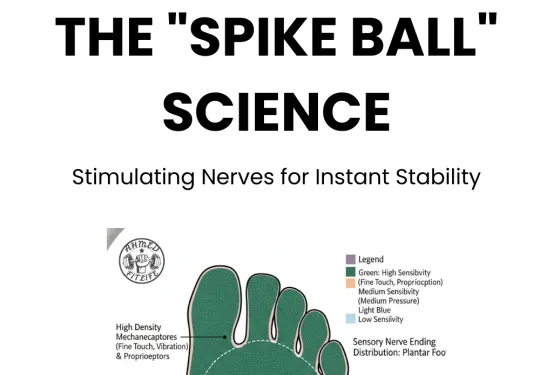
Overlay Text: THE "SPIKE BALL" SCIENCE – Stimulating Nerves For Instant Stability
The pin explores how sensory motor activation, somatic movement, and structured rehab exercises work together to improve functional movement and body control.
You can view and save the pin for a visual explanation of how this process works.
A Structured Way to Practice at Home
For those looking for a guided system that combines sensory stimulation with structured balance therapy exercises, there are programs designed specifically for at-home use.
One example is the Neuro-Balance Therapy VSL – Physical Offer with Therapy Tool.
It integrates:
A textured foot stimulation device
Step-by-step video guidance
Progressive rehab exercises
Sensory motor activation drills
Rather than focusing purely on muscle strengthening, it emphasizes retraining the nervous system for improved proprioception and stability.