
The Proprioception Advantage: Why Your Nervous System Holds the Key to Better Balance
Summary:
Balance isn’t just about strong legs.
It’s about communication.
Every step you take depends on a powerful internal system called proprioception — your body’s ability to sense where it is in space.
But here’s the part many people don’t realize:
When proprioception weakens, balance declines, confidence drops and fall risk increases.
Let’s explore how proprioception works — and why targeted proprioception exercises may be one of the most overlooked tools in fall prevention and movement therapy.
What Is Proprioception (And Why It Matters More Than You Think)
Proprioception is often described as your “sixth sense.”
It’s the internal feedback system that allows you to:
Walk without looking at your feet
Stand on one leg
Adjust when you step on uneven ground
Tiny sensory receptors in your feet, joints, and muscles send constant signals to your nervous system.
When that signal becomes dull or delayed, you may notice:
Feeling unsteady
Slower reaction time
Hesitation when walking
Increased risk of tripping
This is why proprioception exercises are widely used in physical therapy and movement therapy programs — especially for older adults or anyone recovering from instability.
The Hidden Link Between Foot Stimulation and Body Awareness
Your feet contain thousands of nerve endings.
They are not just for support — they are sensory hubs.
When those nerves are stimulated properly, they send clearer information to the brain. This is one reason barefoot walking (on safe surfaces) has been associated with improved neuromuscular engagement.
However, modern footwear and sedentary lifestyles can dull that sensory feedback.
That’s where targeted stimulation tools and structured proprioception exercises can help reawaken those neural pathways.
By improving communication between the feet and the nervous system, many people experience:
Stronger ankle stability
Increased confidence while walking
Improved fall prevention response
Why Traditional Strength Training Isn’t Always Enough
Strength matters — but strength without awareness isn’t stability.
You can have strong leg muscles and still experience poor balance if your nervous system isn’t processing signals efficiently.
That’s why many physical therapy programs now include:
Foot activation drills
Balance-based exercises
Sensory stimulation work
Slow and controlled movement therapy sequences
The goal isn’t just muscle strengthening — it’s retraining the brain-body connection.
When the brain receives clearer signals from the feet, movement becomes more fluid, responsive and stable.
“The Nervous System Secret to Safer Steps (And Why Your Feet Are the Starting Point)”
If this topic interests you, I created a visual breakdown on Pinterest that explains how proprioception exercises support safer movement and improved stability.
📌 Pin Title: “Proprioception Exercises: The Hidden Nervous System Secret Behind Better Balance & Safer Movement”
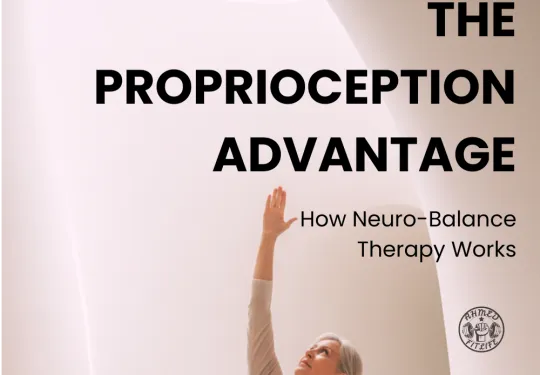
Overlay Text: “THE PROPRIOCEPTION ADVANTAGE – How Neuro-Balance Therapy Works”
Inside the pin, you’ll see a simple explanation of how stimulating the feet and guiding the nervous system through intentional movement may help improve balance and body awareness.
A Gentle Approach to Supporting Balance at Home
For individuals looking for a structured way to work on proprioception and fall prevention from home, there are guided systems available that combine:
A physical foot stimulation tool
Step-by-step instructional content
Simple movement therapy exercises
One example is the Neuro-Balance Therapy VSL – Physical Offer with Therapy Tool, which is designed to support stability and proprioception development at home.
Rather than focusing only on strength, it emphasizes stimulating the feet and retraining the nervous system through progressive exercises.
If you’re curious about how structured proprioception exercises can be integrated into a daily routine, you can explore how it works and decide if it aligns with your goals.
Small and consistent steps can lead to meaningful improvements in confidence and walking stability.