
🦶 Say Goodbye to Foot Drop: Simple Ways to Protect Your Feet
Summary:
Foot drop can make walking, climbing stairs, or even standing feel challenging. Understanding the causes for foot drop and caring for the lower leg nerves that control foot movement are crucial steps in protecting your mobility and preventing falls.
In this follow-up guide, we’ll explore the main reasons foot drop occurs, explain how lower leg nerves play a role, and share simple daily exercises to keep your feet strong, flexible, and responsive.
🔍 Understanding Foot Drop and Its Causes
Foot drop is a condition where lifting the front part of your foot becomes difficult. While it can occur suddenly due to injury, most cases develop gradually because of nerve or muscle problems.


Nerve Compression
The peroneal nerve runs along the outside of the knee, Sitting cross-legged for long periods, wearing braces, or resting your leg awkwardly against hard surfaces can pinch this nerve.
Keeping good posture, stretching regularly, and adjusting your sitting habits can help prevent this type of nerve compression.
Read more about preventing nerve compression in daily activities
Muscle Weakness
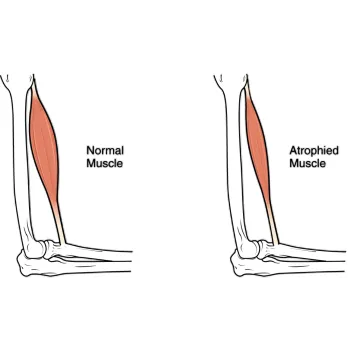
When the lower leg muscles that lift the foot aren’t used often, they can weaken or shrink. Recovering from injury or lack of activity can cause this. Gentle exercises like toe raises and heel walks can rebuild these muscles and improve nerve responsiveness.

Neurological Conditions
Strokes, diabetic neuropathy, and other neurological conditions can interfere with nerve signals controlling lower-leg muscles. Early diagnosis and nerve-stimulation therapy like Neuro-Balance Therapy can help re-engage these pathways, improve mobility, and prevent further decline.
🦵 How Lower Leg Nerves Affect Foot Function
Your lower leg nerves, particularly the peroneal nerve, are responsible for sending signals from your brain to the muscles that lift and control your foot. When these nerves are damaged or compressed:
Foot lifting becomes difficult (leading to foot drop)
Walking becomes unstable
Balance may be compromised, increasing fall risk
Muscles may atrophy from disuse
Protecting these nerves is essential. Simple daily exercises and mindful movement can reduce pressure on the lower leg nerves and maintain proper foot function.
💪 Daily Exercises to Support Foot Health
You don’t need a gym to keep your feet strong. These exercises help maintain mobility, activate the muscles connected to the lower leg nerve, and reduce the risk of foot drop worsening.
1️⃣ Toe Lifts
Sit or stand with feet flat on the ground
Lift your toes while keeping heels planted
Hold 2–3 seconds and release
Repeat 10–15 times
Why it works: Activates the muscles that lift your foot and stimulates the lower leg nerves.
2️⃣ Heel Walks
Walk on your heels for 10–15 steps
Keep toes pointed upward
Rest and repeat 2–3 times
Why it works: Strengthens the front muscles of your lower leg, improving foot lifting control.
3️⃣ Ankle Circles
Sit comfortably, lift one foot slightly off the floor
Slowly rotate your ankle clockwise and counterclockwise 10 times each
Repeat on the other foot
Why it works: Improves ankle mobility and activates stabilizing muscles, which helps the lower leg nerves send signals efficiently.
4️⃣ Resistance Band Foot Flexes
Wrap a light resistance band around your forefoot
Pull toes toward you and then slowly point away
Repeat 10–15 times per foot
Why it works: Strengthens muscles controlled by the lower leg nerve while improving coordination.
⚖️ Tips to Protect Your Feet and Lower Leg Nerves
Avoid prolonged pressure on the knee or lower leg, which can compress the peroneal nerve
Stretch and move your ankles regularly to maintain mobility
Wear supportive footwear to reduce strain on the foot and lower leg
Monitor changes in foot sensation or strength and address them early
Pro tip: Consistency is key — even 5–10 minutes of targeted exercises per day can make a noticeable difference over time.
🌟 Improving Balance While Preventing Foot Drop
While wobble boards and balance exercises are helpful, you can also train your balance safely at home by:
Practicing slow heel-to-toe walking
Shifting weight side-to-side on flat, stable surfaces
Doing single-leg stands near a chair for support
These movements engage the lower leg muscles and nerves, reducing the likelihood of foot drop and improving overall stability.
✅ Key Takeaways
Foot drop is often caused by nerve compression, muscle weakness, or neurological conditions
Protecting the lower leg nerve is crucial for maintaining mobility and balance
Daily exercises like toe lifts, heel walks, ankle circles, and resistance band flexes can strengthen muscles and nerves
Small, consistent movements are more effective than occasional intense workouts
Safe balance practices improve stability and prevent foot drop complications