
🤸♀️ Mastering Balance: From Proprioception Training to Advanced Recovery Techniques
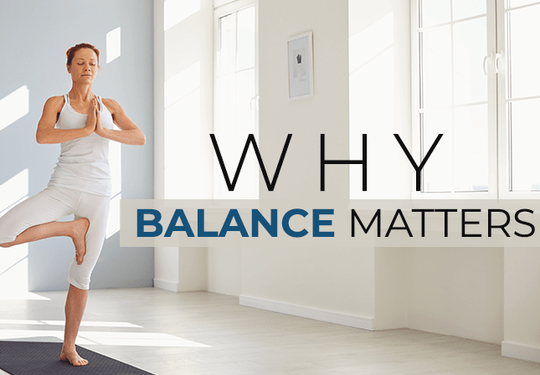
🧠 Why Balance Matters
Balance is a foundation for almost every daily activity — walking on uneven surfaces, climbing stairs, or even standing up from a chair. It relies on:
Muscle strength to support your body
Joint stability to prevent wobbling or missteps
Nerve signaling to coordinate movement
When balance is compromised, recovery after injury slows, fall risk increases, and confidence in daily life decreases. Consistent proprioception training help retrain the body and brain to respond quickly and safely to movement challenges.
💪 Core Balance and Ankle Stability Exercises
Strengthening your core and improving ankle control can significantly enhance stability. Try these gentle yet effective exercises at home:
1️⃣ Single-Leg Stand
Lift one foot off the ground and hold 10–20 seconds.
Keep hips level and core engaged.
Switch sides, repeating 3–5 times.
Why it works: Improves standing balance, strengthens ankle stabilizers, and trains proprioception.
2️⃣ Heel-to-Toe Walk
Walk in a straight line, placing the heel of one foot directly in front of the toes of the other.
Extend arms for support if needed.
Why it works: Challenges coordination and balance, activating ankle muscles and lower leg nerves.
3️⃣ Mini Squats with Support
Hold lightly onto a chair, perform shallow squats, keeping knees aligned with toes.
Focus on posture and controlled movements.
Why it works: Strengthens legs and core, supporting overall balance.
4️⃣ Side Leg Raises
Lift one leg sideways, hold for 2 seconds, then lower slowly. Repeat 10–15 times per side.
Why it works: Strengthens hip abductors and stabilizing muscles, enhancing ankle stability exercise benefits.
5️⃣ Proprioception Training on a Cushion or Mat
Stand on a soft surface for 20–30 seconds per foot.
Use a chair for support initially, then progress as balance improves.
Why it works: Boosts proprioception, teaching the brain and muscles to respond to small shifts in movement.
Tips for safer practice:
Begin near a wall or sturdy chair until comfortable
Keep sessions short (5–10 minutes) and controlled
Focus on quality of movement rather than speed
Try barefoot or supportive shoes to increase feedback
Once you feel confident with these exercises, you can explore more challenging ankle stability exercises.
💪 Advanced Balance and Ankle Stability Exercises
After mastering the basics, introducing slightly more challenging exercises can improve your coordination and stability:
1️⃣ Single-Leg Stand on a Soft Surface
Stand on one leg on a cushion or soft mat for 20–30 seconds.
Keep your core engaged and hips level.
Why it matters: Improves unilateral balance and strengthens ankle stabilizers.
2️⃣ Controlled Circles for Proprioception
Shift your weight slowly in circular motions while standing on a soft surface.
Keep movements smooth and controlled.
Why it matters: Enhances proprioception training and strengthens muscles responsible for rotation and lateral stability.
3️⃣ Mini Squat to Toe Raise
Perform a shallow squat, then rise onto your toes and hold briefly.
Repeat 10–12 times.
Why it matters: Builds leg strength while challenging dynamic balance and ankle stability.
Additional Core and Balance Exercises
Plank with arm/leg lifts on a balance cushion
Heel-to-toe walks with slow head turns
Simple weighted or ball movements while balancing
⚠️ Safety Reminders
Always warm up first
Progress gradually—small increases in time or difficulty
Pause and reassess if you feel pain or instability
🧠 Understanding Balance Beyond Muscles
Balance isn’t just physical it’s also neural. Your brain constantly communicates with your muscles and joints to maintain stability.Consistent proprioception training help:
Improve reflexes and coordination
Build confidence in movement
Reduce the risk of falls over time
Practical ways to support this include mindful walking on uneven surfaces, gentle lateral and rotational movements, and ankle stability exercises at home.
Boost Your Balance with Neuro Balance Therapy
Take your balance and ankle stability to the next level with Neuro Balance Therapy. This guided program combines proprioception training to improve stability safely at home.
🌿 Final Thoughts
Balance is a skill that can always be improved, regardless of age or stage of recovery. By starting with simple wobble board exercises and progressing thoughtfully, you strengthen your muscles, improve joint control, and train your nervous system to respond efficiently.
Key takeaways:
Begin with controlled, low-risk exercises
Gradually challenge your balance over time
Consistency is more important than intensity
For those looking to continue building on these exercises, practicing advanced wobble board movements and mindful balance routines can help you move more confidently in everyday life.