
How to Improve Balance & Coordination Without High-Intensity Training
Summary:
Balance isn’t about pushing harder or training like an athlete.For many people — especially older adults or those dealing with instability — improving coordination and balance is about retraining the nervous system, not exhausting the body.
This article explores a practical, home-based approach built around mindful movement, sensory awareness, and gentle consistency.
Why Balance and Coordination Decline Over Time
Balance relies on three key systems working together:
Muscles and joints
Vision
Proprioception — your body’s ability to sense where it is in space
As we age or experience injury, illness, or inactivity, proprioception often weakens. This can lead to:
Feeling unstable on uneven ground
Hesitation during movement
A growing fear of falling, even in safe environments
High-intensity training isn’t always the answer — and for many people, it can actually increase tension and risk.
The Power of Mindful Movement
Mindful movement focuses on awareness rather than force. Instead of rushing through exercises, you move slowly, deliberately, and with attention to how your body feels.
This approach:
Reconnects the brain and body
Improves coordination and balance naturally
Builds confidence without overwhelming the nervous system
Simple movements done consistently often outperform intense workouts when it comes to long-term stability.
Simple Ways to Improve Balance Without High Intensity
1. Slow, Controlled Weight Shifts
Gently shift your weight from one foot to the other while standing. Pay attention to pressure in your feet and how your body adjusts.
2. Single-Leg Awareness (With Support)
Hold onto a chair or wall if needed. Focus on alignment, breathing, and calm control — not duration.
3. Foot Sensory Stimulation
The feet are rich in nerve endings. Stimulating them can dramatically improve balance signals sent to the brain.
This is why many modern balance programs include sensory tools that activate the feet before movement.
4. Everyday Balance Habits
Standing on one leg while brushing your teeth
Walking slowly and deliberately
Pausing before turns or transitions
These small habits reduce fear of falling by rebuilding trust in your body.
How Sensory-Based Balance Training Helps
Traditional exercise focuses on strength. Sensory-based training focuses on communication between the feet, brain, and muscles.
By stimulating the feet and following guided movements:
Proprioception improves
Coordination becomes smoother
Stability increases without strain
This approach is especially helpful for people who feel traditional workouts are too aggressive or unsafe.
⭐ Recommended Support: Neuro-Balance Therapy
If you’re looking for a guided, home-based system designed specifically to improve balance, stability, and proprioception, one option worth exploring is:
Neuro-Balance Therapy VSL – Physical Offer with Therapy Tool
This program combines:
A physical foot stimulation tool (often described as a spike or sensory ball)
Step-by-step instructional guidance (video or digital)
Exercises designed for older adults and people with instability concerns
It focuses on improving coordination and balance at the neurological level — without high-intensity training.
📌 Gentle Balance Guidance You’ll Find in My Pinterest Pins
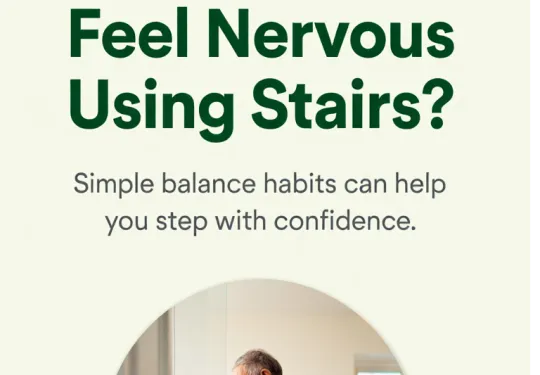
The balance and coordination pins I share are created for people who want to feel steadier — without high-intensity workouts or complicated routines.
Each pin focuses on simple, realistic ways to improve coordination and balance by reconnecting the brain and body through mindful movement.
Inside my pins, you’ll find:
Gentle proprioception practices that support stability and body awareness
Movement concepts designed to reduce the fear of falling, not trigger it
Visual cues that help you understand how balance works, not just what to do
👉 Explore my Pinterest pins for practical balance, stability, and mindful movement support
Final Thoughts
Improving balance doesn’t require intensity — it requires intention.
By focusing on coordination and balance, addressing the fear of falling, and practicing mindful movement, you can build stability in a way that feels safe, sustainable, and empowering.
Small steps, done daily, can lead to meaningful confidence and freedom of movement.