
How to Improve Balance and Stability at Home with Proprioceptive Training
Summary:
Gentle balance therapy and sensory input exercises to boost coordination, confidence, and functional movement for older adults
Maintaining balance and stability is essential for safe, confident movement, especially as we age. Many older adults and individuals with instability issues rely on their nervous system and muscles to stay upright, but diminished sensory input and reduced proprioception can make everyday activities challenging.
Balance therapy and proprioception exercises offer a powerful, home-based solution to improve stability, prevent falls, and restore confidence. With guided proprioceptive training, you can retrain your body to sense position and movement more effectively.
Why Balance Therapy and Proprioception Matter
Balance isn’t just about strength—it’s about your body’s ability to sense itself in space. This is where proprioceptive training comes in. By enhancing your awareness of body position, proprioception exercises help improve coordination and stability.
Sensory input from your feet, ankles, and legs informs the brain about changes in surface, weight shifts, and motion. When sensory signals are diminished—due to aging, injury, or sedentary lifestyle—the risk of imbalance increases.
Incorporating balance therapy into daily routines can help the nervous system respond more effectively, reducing the risk of falls and promoting confidence during movement.
Simple Proprioception Exercises You Can Do at Home
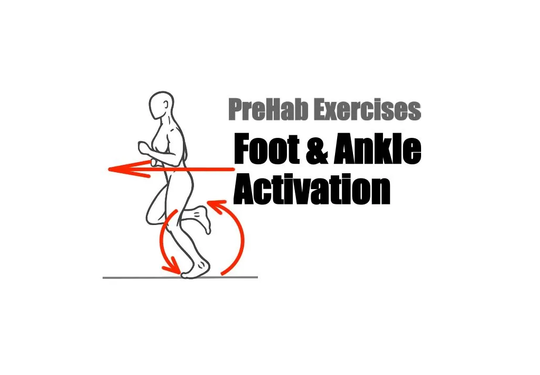
1. Foot and Ankle Activation
Sit or stand and gently roll your feet in circles.
Press the soles into the floor and release repeatedly.
Focus on feeling the connection between your feet and the surface.
This type of exercise provides sensory input to the nervous system, helping the body recognize subtle shifts in balance.
2. Single-Leg Stands
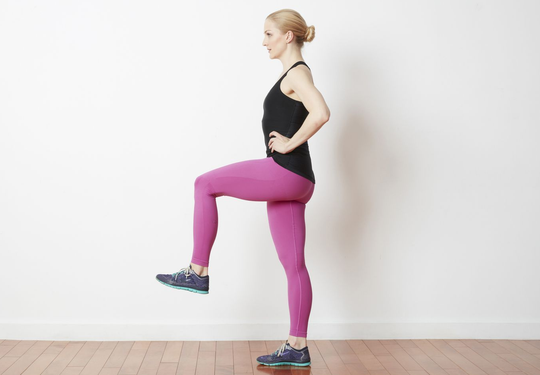
Stand near a wall or sturdy chair for support.
Lift one foot slightly off the ground and hold for 10–20 seconds.
Alternate legs and repeat 3–5 times.
These proprioceptive training drills enhance body awareness while improving stability in daily movements like walking or climbing stairs.
3. Heel-to-Toe Walking
Walk slowly, placing the heel of one foot directly in front of the toes of the other.
Focus on posture and controlled movement.
This exercise challenges both balance and coordination, reinforcing neural pathways responsible for safe movement.
4. Balance Board or Cushion Exercises (if available)
Use a soft cushion or balance board to perform gentle shifts forward, backward, and side-to-side.
Even small, controlled movements improve sensory input and strengthen stabilizing muscles.
Integrating Balance Therapy into Your Daily Routine
Consistency is key. Short, frequent sessions can make a big difference in overall stability. Try to incorporate proprioception exercises during morning routines, after a walk, or even while doing household tasks. Over time, these exercises can reduce fear of falling and improve confidence in everyday movement.
A Guided Home-Based Option
For those seeking a structured approach, Neuro-Balance Therapy VSL – Physical Offer with Therapy Tool provides a complete home-based system. It combines a physical stimulation tool (often a spike ball for the feet) with instructional content—video, DVD, or digital guides—to improve balance, stability, and proprioception safely.
Explore Neuro-Balance Therapy for step-by-step guidance in enhancing your balance and stability at home.
Conclusion
Enhancing your balance and stability doesn’t require intense workouts. With consistent balance therapy, targeted proprioception exercises, and mindful engagement with sensory input, you can improve coordination, confidence, and functional movement. The combination of simple at-home exercises and guided programs provides a safe path toward better balance and independence.